

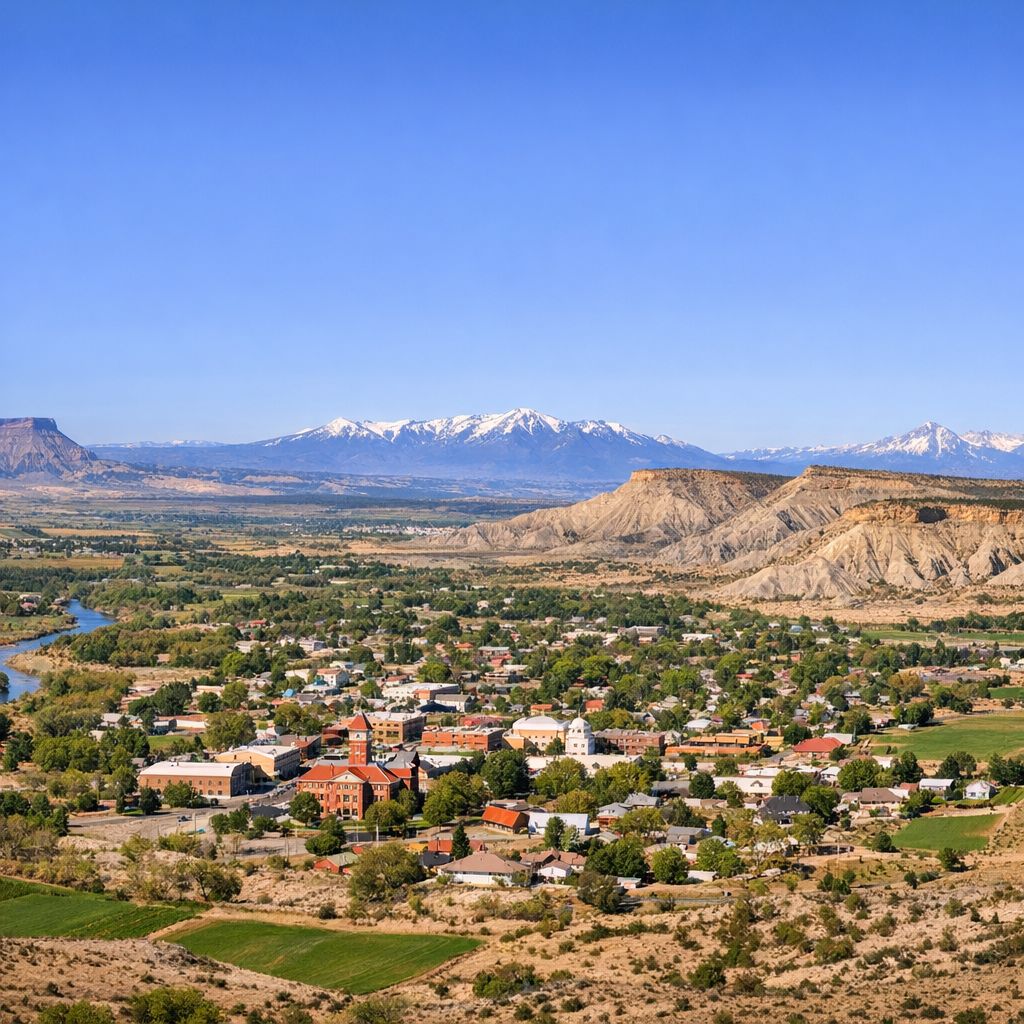
Delta, Colorado, experiences a diverse climate characterized by hot, dry summers and cold, snowy winters. Understanding these patterns is essential for residents to prepare for seasonal changes and environmental challenges.
Seasonal Overview
Summer
Summers in Delta are typically hot and dry, with average high temperatures around 90°F in July. The season spans from late May to mid-September, offering ample sunshine and minimal rainfall. This period is ideal for outdoor activities but also necessitates precautions against heat-related illnesses and wildfires.
Winter
Winters are cold and snowy, with average low temperatures dropping to 15°F in January. Snowfall averages between 23 to 41 inches annually, depending on the specific location within the county. Residents should be prepared for winter driving conditions and ensure their homes are winterized to handle the cold.
Precipitation and Drought Conditions
Delta County receives an average of 13 inches of rain per year, significantly less than the national average of 38 inches. This limited rainfall contributes to the region’s susceptibility to drought conditions. As of May 2026, Delta County is experiencing severe drought, emphasizing the importance of water conservation efforts.
Environmental Considerations
The county’s Environmental Health Services actively monitor and address environmental issues, including air quality, water safety, and waste management. Residents are encouraged to participate in recycling programs and properly dispose of hazardous materials to maintain the region’s environmental health.
By staying informed about Delta’s climate and participating in community efforts, residents can better navigate the challenges and opportunities presented by the local environment.